You will be able to validate your attendance (Check-In to sessions) using your personal schedule.
Company:
Germany clear filter
arrow_back View All Dates
08:00 UTC
S205 - Time-to-event data in biometry: Challenges, biases and perspectives
Tuesday October 6, 2026 08:00 - 09:00 UTC
Speakers 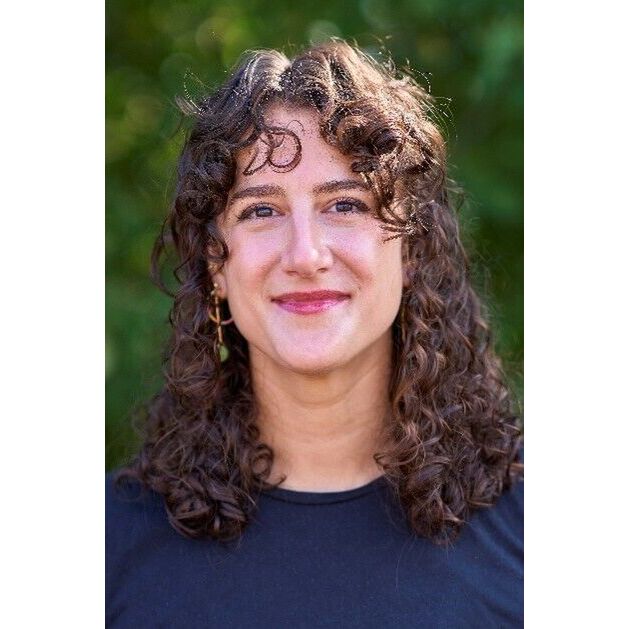
German Cancer Research Center, Heidelberg, Germany
Marilena Müller is a postdoctoral scientist in the Biostatistics department at the German Cancer Research Center in Heidelberg, Germany. She received her B.Sc., M.Sc. and Dr. rer. nat. at the Mathematical Institute at Heidelberg University. The field of studies concerning her dissertation...
Read More →
Institute of Statistics, Ulm University
Judith Vilsmeier is a doctoral candidate in Biostatistics at Ulm University and a research assistant at the Institute of Statistics. She received both her B.Sc. and M.Sc. in Mathematical Biometry from Ulm University. Her current research interests involve nonstandard event histories...
Read More →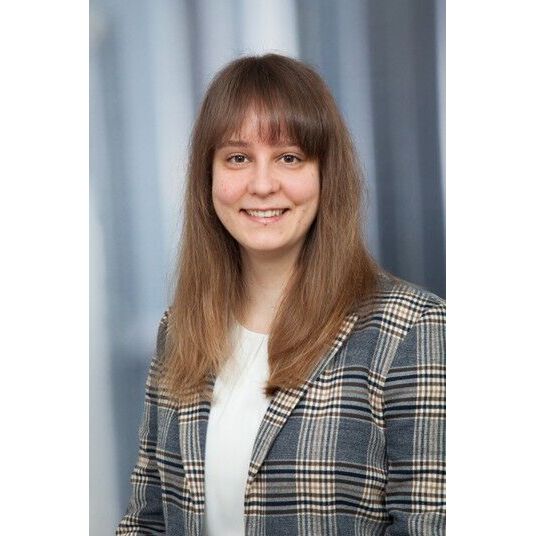
Institute of Statistics, Ulm University
Sandra Schmeller is a postdoctoral researcher in Biostatistics at the Institute of Statistics, Ulm University. She received both her B.Sc. and M.Sc. in Mathematical Biometry from Ulm University and completed her PhD in Biostatistics at Ulm University. Prior to her doctoral studies...
Read More →
Institute for Biostatistics and Medical Informatics, Faculty of Medicine, University of Ljubljana, Slovenia
Ema Požek is a PhD student in statistics at the Institute for Biostatistics and Medical Informatics, Faculty of Medicine, University of Ljubljana. Her methodological interests lie in survival analysis and simulation studies, and her research focuses on developing statistical methods...
Read More →
German Cancer Research Center, Heidelberg, Germany
Marilena Müller is a postdoctoral scientist in the Biostatistics department at the German Cancer Research Center in Heidelberg, Germany. She received her B.Sc., M.Sc. and Dr. rer. nat. at the Mathematical Institute at Heidelberg University. The field of studies concerning her dissertation...
Read More →
German Cancer Research Center, Heidelberg, Germany
Marilena Müller is a postdoctoral scientist in the Biostatistics department at the German Cancer Research Center in Heidelberg, Germany. She received her B.Sc., M.Sc. and Dr. rer. nat. at the Mathematical Institute at Heidelberg University. The field of studies concerning her dissertation...
Read More →
10:00 UTC
S111- Strengthening Statistical Practice Through Collaboration: Perspectives from Women Leaders in STRATOS
Tuesday October 6, 2026 10:00 - 11:00 UTC
Speakers 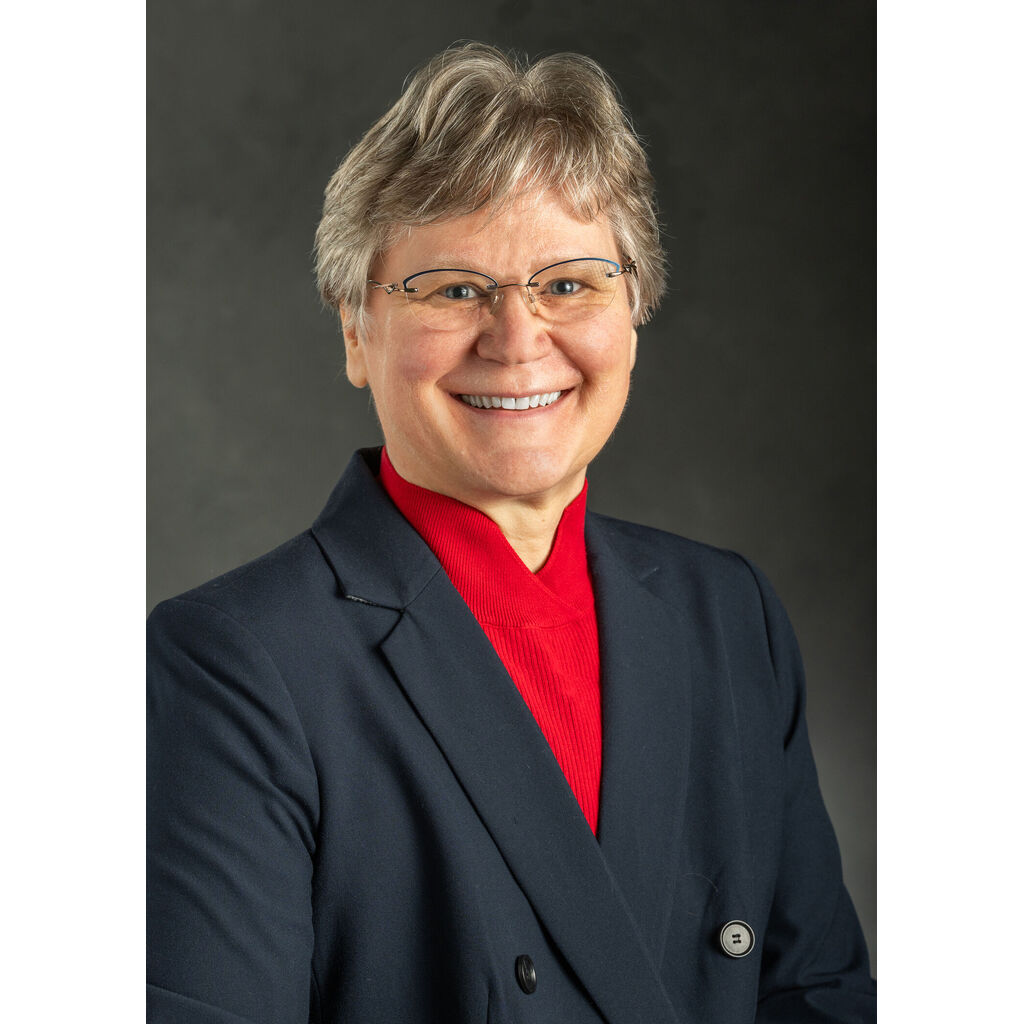
Michigan State University
Marianne Huebner is Professor of Statistics and Director of the Center for Statistical Training and Consulting (CSTAT) at Michigan State University, USA. Her research focuses on statistical methodology for improving transparency, reproducibility, and quality in health and observational...
Read More →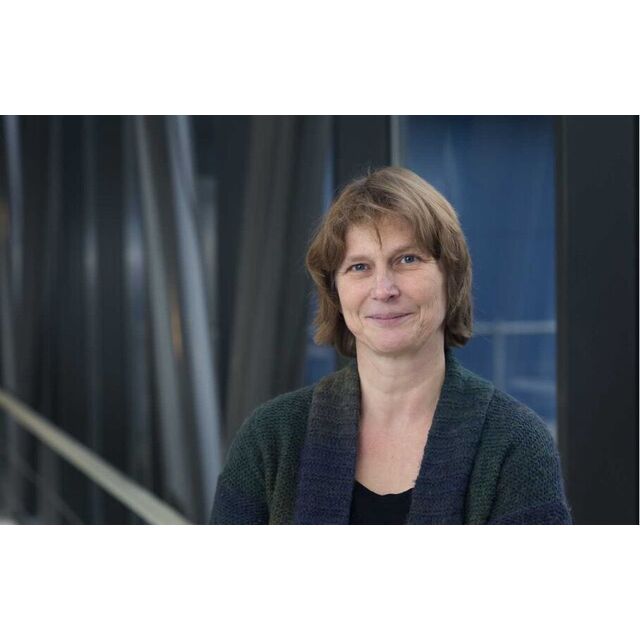
Leiden University Medical Centre
Prof. Saskia le Cessie is a medical statistician working at the departments of Clinical Epidemiology and Biomedical Data Sciences of Leiden University Medical Center. Her research in medical statistics and epidemiological methods involves (1) collaboration in research projects of...
Read More →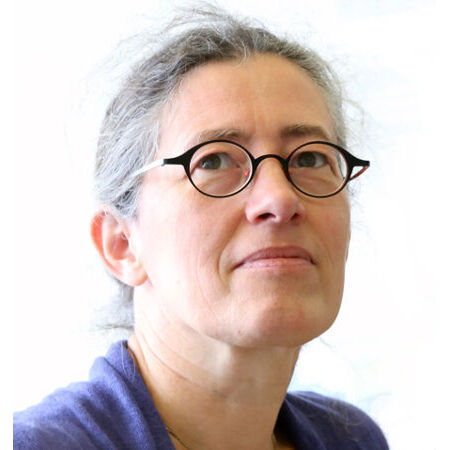
Ghent University
Els Goetghebeur is Professor of Statistics at Ghent University, Belgium, and a leading researcher in causal inference and biostatistical methodology. She co-chairs the Causal Inference Topic Group of the STRATOS Initiative and has contributed extensively to methodological research...
Read More →
University of Primosrka
Lara Lusa is a professor of Statistics at the Faculty of Mathematics, Natural Sciences and Information Technologies of the University of Primorska, Slovenia and Institute for Biostatistics and Medical Informatics of the University of Ljubljana, Slovenia. Her current research interests...
Read More →
Michigan State University
Marianne Huebner is Professor of Statistics and Director of the Center for Statistical Training and Consulting (CSTAT) at Michigan State University, USA. Her research focuses on statistical methodology for improving transparency, reproducibility, and quality in health and observational...
Read More →
Michigan State University
Marianne Huebner is Professor of Statistics and Director of the Center for Statistical Training and Consulting (CSTAT) at Michigan State University, USA. Her research focuses on statistical methodology for improving transparency, reproducibility, and quality in health and observational...
Read More →
12:00 UTC
S112 - Predicting the Right Treatment for the Right Patient: An AI-Powered Decision Support Framework Based on Predicted Individual Treatment Effects
Tuesday October 6, 2026 12:00 - 12:30 UTC
Speakers 
PhD Researcher, Faculty of Computer Science and Data Science, Regensburg University
I am Pamela Solano, a statistician and researcher at the University of Regensburg, Germany. Since 2014, I have worked as a biostatistician. Following my PhD in 2018, my research focus toward statistical modeling approaches with direct societal relevance. I began working in environmental...
Read More →
PhD Researcher, Faculty of Computer Science and Data Science, Regensburg University
I am Pamela Solano, a statistician and researcher at the University of Regensburg, Germany. Since 2014, I have worked as a biostatistician. Following my PhD in 2018, my research focus toward statistical modeling approaches with direct societal relevance. I began working in environmental...
Read More →
21:00 UTC
S315 - AI and Data Science 3
Tuesday October 6, 2026 21:00 - 22:00 UTC
Speakers 
clarkson university
Charity is an applied AI practitioner focused on improving workflows, documentation, and safety in long‑term care environments. She develops practical, caregiver‑centered tools including an AI‑assisted documentation helper, a medication‑workflow guidance system, and a synthetic...
Read More →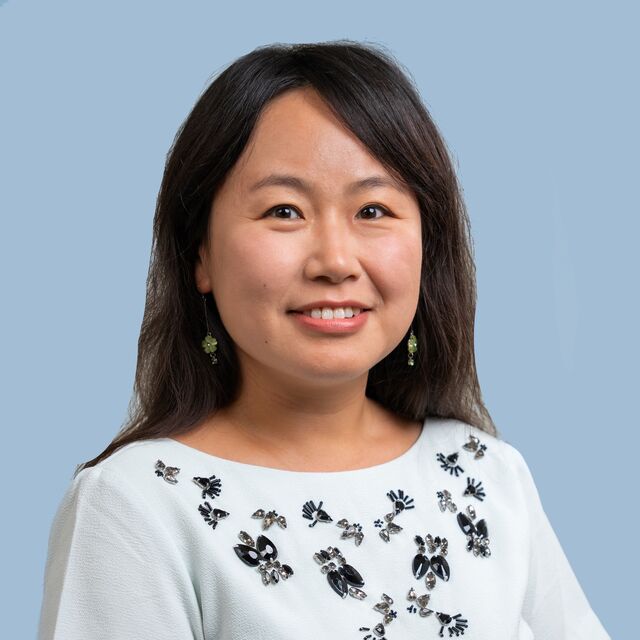
Wentworth Institute of Technology
Weijie Pang is a tenure-track assistant professor in School of Computing and Data Science at Wentworth Institute of Technology. After received Ph.D. from Worcester Polytechnic Institute and B.S. and M.S. from Beijing University of Technology, Dr. Pang finished the Post-doc program...
Read More →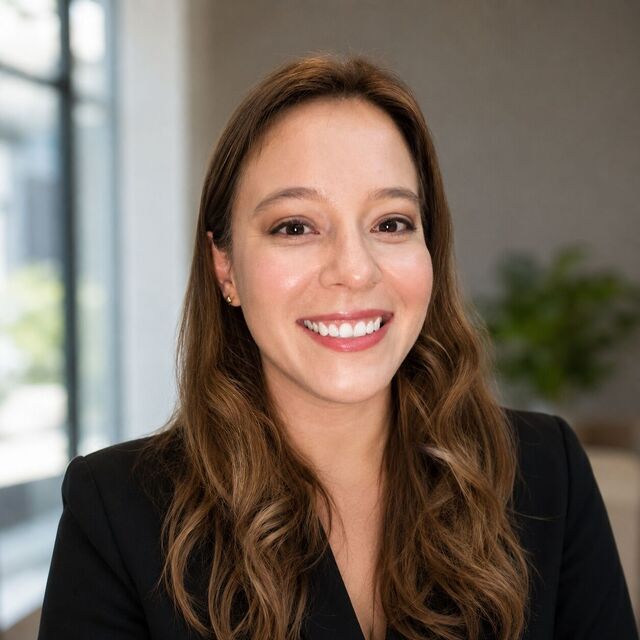
Universidad Autónoma de Chiapas
I am a lawyer-turned-data-scientist based in Aguascalientes, Mexico. After more than eight years working in Mexico's Federal Judiciary, I pursued an M.Sc. in Data Science, Big Data and Business Analytics at Universidad Complutense de Madrid and am currently completing a B.Sc. in Statistics...
Read More →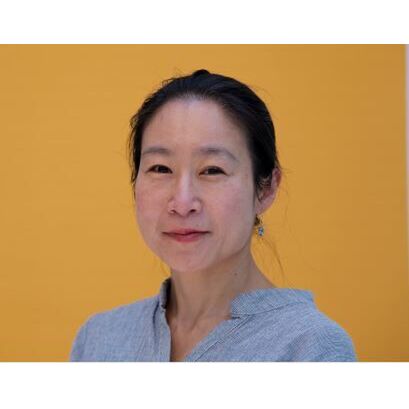
Data Steward with Data Governance
Dr. Jae Sook Cheong is a senior researcher and a data professional. Her works are in the area of data governance, knowledge representation with data analysis, algorithm analysis, and machine learning. With many years of experience across academia, industry, and national R&D institutes...
Read More →
22:00 UTC
S316 - AI and Data Science 4
Tuesday October 6, 2026 22:00 - 23:00 UTC
Speakers 
Bayer AG
Dr. Nisha Daniel R is a qualified Dental Surgeon seamlessly bridging the worlds of clinical medicine and advanced digital health informatics. Currently completing her Master of Science in Data Science for Health and Social Care at the University of Edinburgh, her expertise lies at...
Read More →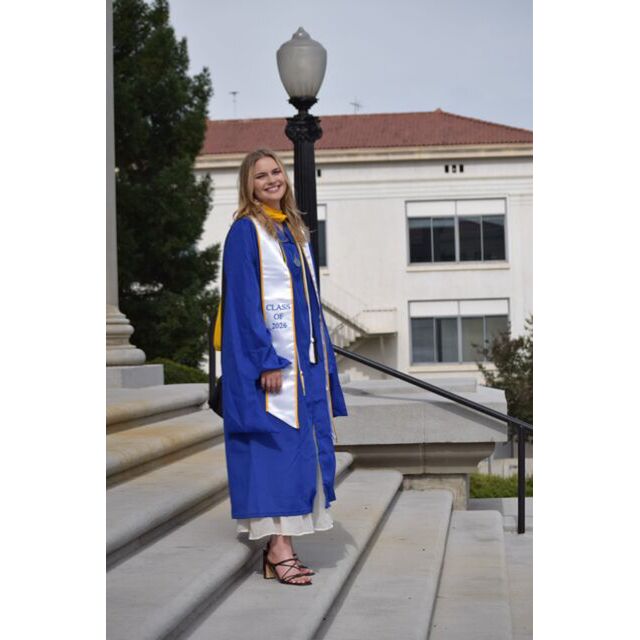
University of California, Riverside
Makena Grigsby recently earned her M.S. in Statistics from the University of California, Riverside. Her academic work focuses on Bayesian modeling, survival analysis, machine learning, and statistical computing. She is especially interested in developing and applying flexible statistical...
Read More →
HORUS VISTA LABS and OSU
Farah Ahmed is a Senior Analytics and Insights Lead at Equitable Advisors and the founder and Principal Data Scientist at Horus Vista Labs, an applied data science consultancy serving rural and underserved small businesses. Her work spans demand forecasting, causal inference, and...
Read More →