You will be able to validate your attendance (Check-In to sessions) using your personal schedule.
Venue:
Zoom Room #2 clear filter
00:30 UTC
S201- Vision-Language Models and the Harms of Covert Sexualization
Tuesday October 6, 2026 00:30 - 01:00 UTC
Speakers 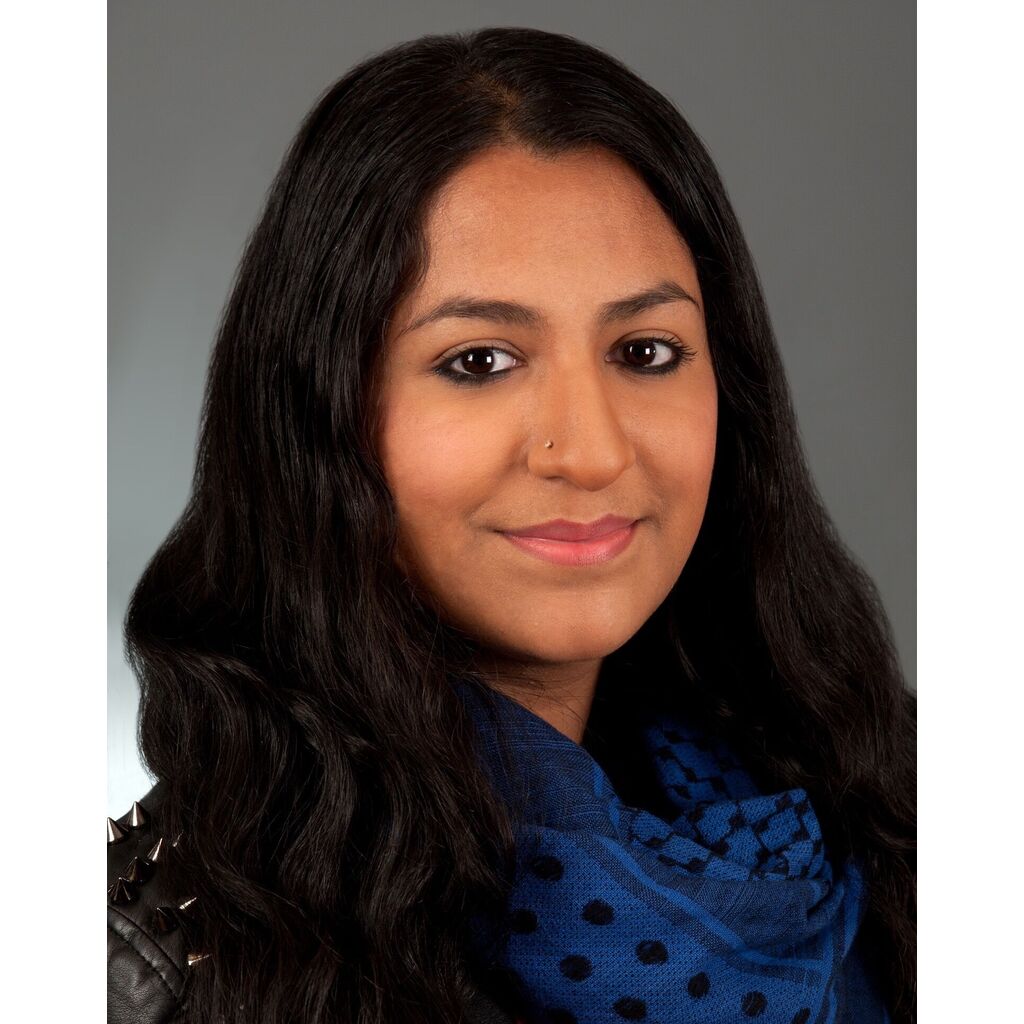
Harvard Medical School & Boston Children's Hospital
Dr. Maimuna (Maia) Majumder (she/they), MPH, PhD (MIT '18) is an Assistant Professor and Inaugural Peter Szolovits Distinguished Scholar in the Computational Health Informatics Program at Harvard Medical School and Boston Children’s Hospital. She is a computational epidemiologist...
Read More →
Harvard Medical School & Boston Children's Hospital
Dr. Maimuna (Maia) Majumder (she/they), MPH, PhD (MIT '18) is an Assistant Professor and Inaugural Peter Szolovits Distinguished Scholar in the Computational Health Informatics Program at Harvard Medical School and Boston Children’s Hospital. She is a computational epidemiologist...
Read More →
04:00 UTC
S203 - AI and Data Science 1
Tuesday October 6, 2026 04:00 - 05:00 UTC
Speakers 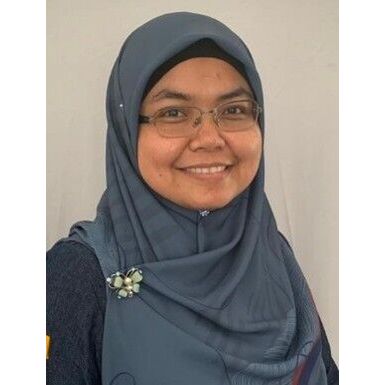
Universiti Malaysia Sabah
Fouziah Md. Yassin is a lecturer in the field of Electronics and Communication Engineering at Universiti Malaysia Sabah (UMS). She obtained her Master of Engineering in Electronic and Communication Engineering from the University of York, United Kingdom. Her research interests include...
Read More →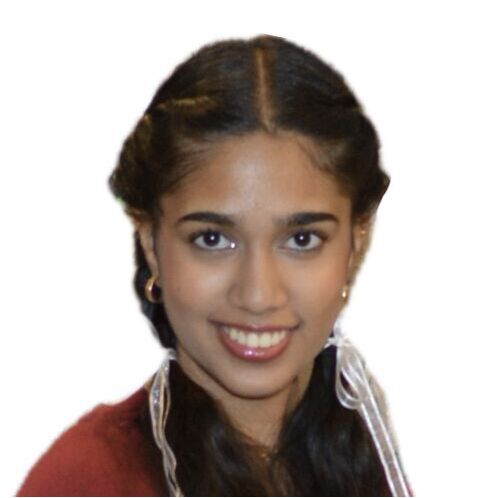
STEM4Change
Tisha Prasad is the co-founder and co-president of STEM4Change, a nonprofit organization dedicated to expanding access to STEM education by teaching students foundational concepts like coding. She also serves as Head of Web Development at VolunteerConnect, where she leads the development...
Read More →
Universiti Malaysia Sabah
Zaturrawiah Ali Omar is a lecturer at Universiti Malaysia Sabah (UMS) and a PhD candidate at Universiti Kebangsaan Malaysia (UKM), where her research focuses on record linkage, machine learning, and road traffic injury surveillance in Malaysia. Her work centres on using the Unsupervised...
Read More →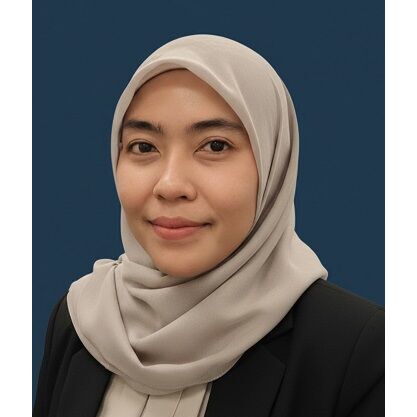
UMS
Norhafiza is a lecturer and researcher at Universiti Malaysia Sabah, developing knowledge graph and machine learning frameworks for fact-checking religious misinformation on social media. She teaches courses in Artificial Intelligence, Machine Learning, and Computer Science courses...
Read More →
07:00 UTC
S204 - Creating Global Connections Through Early Statistical Leadership in Rare Disease Trials
Tuesday October 6, 2026 07:00 - 07:30 UTC
Speakers 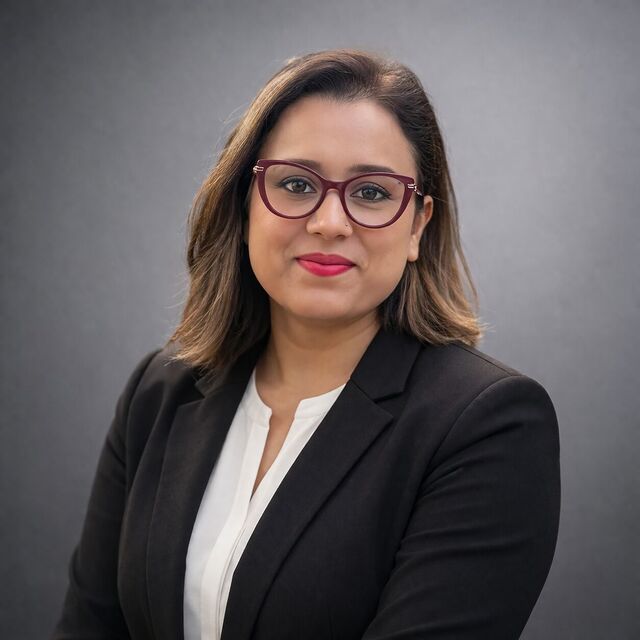
PHASTAR
Shrutimita Pokhariyal is an experienced biostatistics professional with over 14 years in clinical research, with expertise spanning multiple phases of clinical trials. Her work includes statistical strategy, study design, protocol and SAP development, and collaboration across cross-functional...
Read More →
PHASTAR
Shrutimita Pokhariyal is an experienced biostatistics professional with over 14 years in clinical research, with expertise spanning multiple phases of clinical trials. Her work includes statistical strategy, study design, protocol and SAP development, and collaboration across cross-functional...
Read More →
PHASTAR
Shrutimita Pokhariyal is an experienced biostatistics professional with over 14 years in clinical research, with expertise spanning multiple phases of clinical trials. Her work includes statistical strategy, study design, protocol and SAP development, and collaboration across cross-functional...
Read More →
08:00 UTC
S205 - Time-to-event data in biometry: Challenges, biases and perspectives
Tuesday October 6, 2026 08:00 - 09:00 UTC
Speakers 
German Cancer Research Center, Heidelberg, Germany
Marilena Müller is a postdoctoral scientist in the Biostatistics department at the German Cancer Research Center in Heidelberg, Germany. She received her B.Sc., M.Sc. and Dr. rer. nat. at the Mathematical Institute at Heidelberg University. The field of studies concerning her dissertation...
Read More →
Institute of Statistics, Ulm University
Judith Vilsmeier is a doctoral candidate in Biostatistics at Ulm University and a research assistant at the Institute of Statistics. She received both her B.Sc. and M.Sc. in Mathematical Biometry from Ulm University. Her current research interests involve nonstandard event histories...
Read More →
Institute of Statistics, Ulm University
Sandra Schmeller is a postdoctoral researcher in Biostatistics at the Institute of Statistics, Ulm University. She received both her B.Sc. and M.Sc. in Mathematical Biometry from Ulm University and completed her PhD in Biostatistics at Ulm University. Prior to her doctoral studies...
Read More →
Institute for Biostatistics and Medical Informatics, Faculty of Medicine, University of Ljubljana, Slovenia
Ema Požek is a PhD student in statistics at the Institute for Biostatistics and Medical Informatics, Faculty of Medicine, University of Ljubljana. Her methodological interests lie in survival analysis and simulation studies, and her research focuses on developing statistical methods...
Read More →
German Cancer Research Center, Heidelberg, Germany
Marilena Müller is a postdoctoral scientist in the Biostatistics department at the German Cancer Research Center in Heidelberg, Germany. She received her B.Sc., M.Sc. and Dr. rer. nat. at the Mathematical Institute at Heidelberg University. The field of studies concerning her dissertation...
Read More →
German Cancer Research Center, Heidelberg, Germany
Marilena Müller is a postdoctoral scientist in the Biostatistics department at the German Cancer Research Center in Heidelberg, Germany. She received her B.Sc., M.Sc. and Dr. rer. nat. at the Mathematical Institute at Heidelberg University. The field of studies concerning her dissertation...
Read More →
09:00 UTC
S206 - Beyond Simulation: Benchmarking for Method Comparison in Statistics and Machine Learning
Tuesday October 6, 2026 09:00 - 09:30 UTC
Speakers 
Associate Professor of Biostatistics and Data Science, Wake Forest University School of Medicine
Dr. Speiser is a biostatistician focused on prediction modeling with applications in medicine. Her work involves developing novel machine learning methodology for prediction modeling, providing guidance on best practices for developing prediction models, and collaborating with medical...
Read More →
Associate Professor of Biostatistics and Data Science, Wake Forest University School of Medicine
Dr. Speiser is a biostatistician focused on prediction modeling with applications in medicine. Her work involves developing novel machine learning methodology for prediction modeling, providing guidance on best practices for developing prediction models, and collaborating with medical...
Read More →
09:30 UTC
S207 - On similarity-based models for Bayesian disease mapping
Tuesday October 6, 2026 09:30 - 10:00 UTC
Speakers 
Management Information Centre (MagIC), NOVA Information Management School (NOVA IMS), Universidade Nova de Lisboa, Campus de Campolide, 1070-312, Lisboa, Portugal
Helena Baptista is a highly experienced statistician, researcher, and educator, specializing in applied statistics, forecasting, and time series analysis. She has over 25 years of experience in the pharmaceutical industry, finance, and academia, with a strong background in statistical...
Read More →
Management Information Centre (MagIC), NOVA Information Management School (NOVA IMS), Universidade Nova de Lisboa, Campus de Campolide, 1070-312, Lisboa, Portugal
Helena Baptista is a highly experienced statistician, researcher, and educator, specializing in applied statistics, forecasting, and time series analysis. She has over 25 years of experience in the pharmaceutical industry, finance, and academia, with a strong background in statistical...
Read More →
10:00 UTC
S208 - Optimal Model selection for incidence of Birth Asphyxia: NICU Centers in Greater Accra Region.
Tuesday October 6, 2026 10:00 - 10:30 UTC
Speakers 
Student
Bio
Miss Selina Dadzie is a graduate student in Statistics at the University of Cape Coast, Ghana, where she is pursuing a Master of Philosophy (MPhil) in Statistics. Her research focuses on “Optimal Model Selection for Incidence of Birth Asphyxia: NICU Centers in Accra”, with particular...
Read More →
Student
Bio
Miss Selina Dadzie is a graduate student in Statistics at the University of Cape Coast, Ghana, where she is pursuing a Master of Philosophy (MPhil) in Statistics. Her research focuses on “Optimal Model Selection for Incidence of Birth Asphyxia: NICU Centers in Accra”, with particular...
Read More →
10:30 UTC
S209 - Temporal and Regional Variations of Effects of Daily Temperature on Annual Precipitation: A Functional Mixed Effect Model Approach
Tuesday October 6, 2026 10:30 - 11:00 UTC
Speakers 
PME Officer
Munniara Yesmin Munni is a statistician and Monitoring, Evaluation, and Learning (MEL) professional with a Master’s degree in Statistics from Jahangirnagar University, Bangladesh. She currently works with the Christian Commission for Development in Bangladesh (CCDB). Her research...
Read More →
PME Officer
Munniara Yesmin Munni is a statistician and Monitoring, Evaluation, and Learning (MEL) professional with a Master’s degree in Statistics from Jahangirnagar University, Bangladesh. She currently works with the Christian Commission for Development in Bangladesh (CCDB). Her research...
Read More →
12:00 UTC
S210 - Digitalisation of public institutions in low resource settings.
Tuesday October 6, 2026 12:00 - 13:00 UTC
Speakers 
ZIMSEC
Dr. Louisa Muparuri is an AI researcher, ICT executive, and digital transformation leader with expertise in artificial intelligence, data science, mathematical modelling, computing, examination systems, and public-sector innovation. She holds a PhD in Mathematics, an MSc in Operations...
Read More →
Pulse Pharmaceuticals
Ms Phyliss Mavedzenge. Currently a Resident Innovator and Researcher at Zimbabwe Centre for High Performance Computing and a Business Analytics and Predictive Modelling, short course facilitator at Bindura University . Working on developing systems and models that cater to Zimbabweans...
Read More →
African Energy Commission of the African Union
Salome Maheya, Senior Policy Officer for Energy Statistics in the African Energy Commission (AFREC) of the African Union. She is responsible for coordinating the production of annual Energy Balances, Energy Modelling and producing energy forecasts for Africa. She is responsible for...
Read More →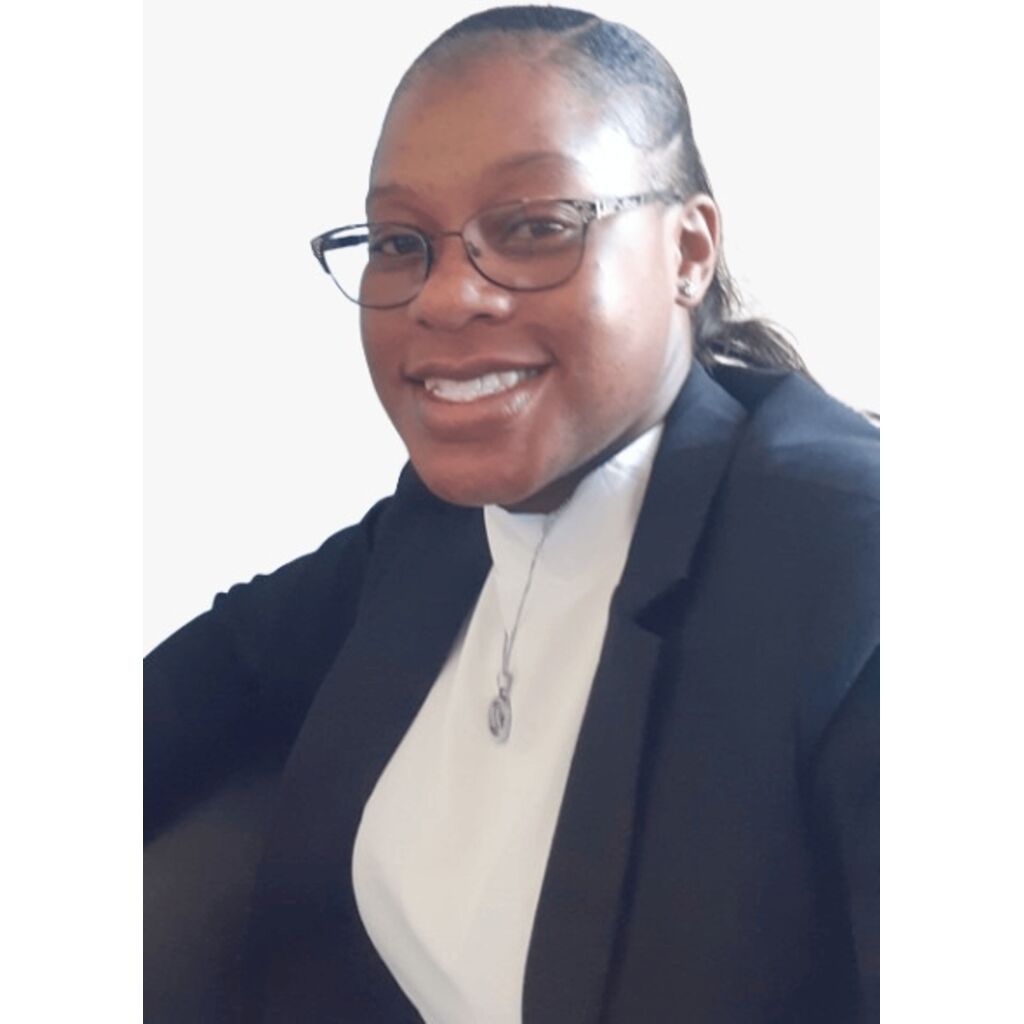
Women's University in Africa
Ms. L. V. Mapepa is an Academic in the Faculty of Management, Department of Information Systems at the Women’s University in Africa where she has served the institution for over five years across the various fields of teaching, learning and Innovation, Research and STEM initiatives...
Read More →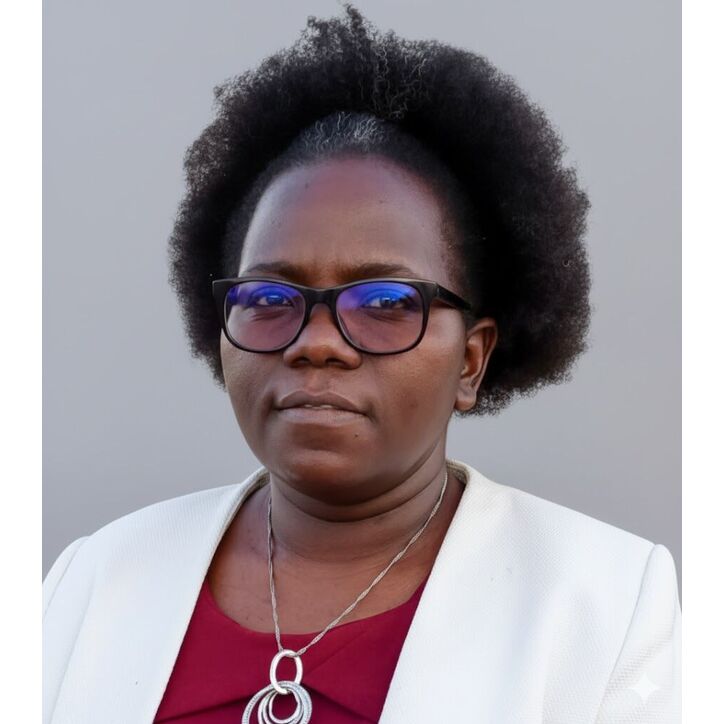
NUST
Dr. Chipo Zidana is a senior statistician, bio-statistical consultant, and data integration specialist with over 15 years of experience bridging advanced analytical modeling with national policy frameworks. She holds a PhD in Statistics from Çukurova University, specializing in mixture...
Read More →
NUST
Dr. Chipo Zidana is a senior statistician, bio-statistical consultant, and data integration specialist with over 15 years of experience bridging advanced analytical modeling with national policy frameworks. She holds a PhD in Statistics from Çukurova University, specializing in mixture...
Read More →
13:00 UTC
S211 - Statistical applications across various domains from India
Tuesday October 6, 2026 13:00 - 14:00 UTC
Speakers 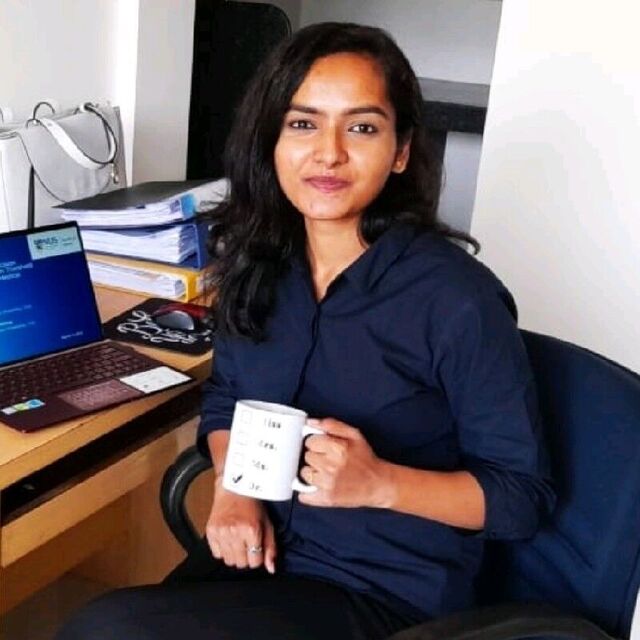
Wells Fargo
Dr. Sumaiya Sande is a Data Scientist and Credit Risk modelling professional with a PhD in
Statistics and Applied Probability from the National University of Singapore. She specializes in
machine learning, deep learning, statistical modeling, and credit risk analytics, with exp...
Read More →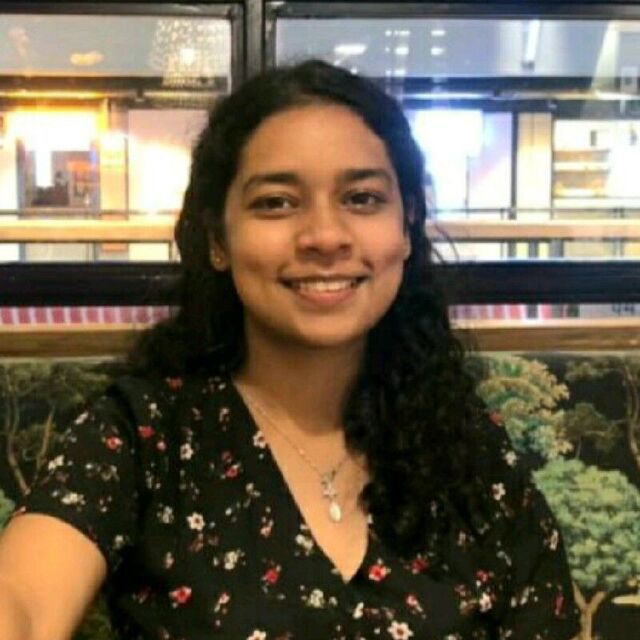
Google
Swastika Mohapatra is a Research Data Scientist on the Analytics, Insights, and Measurement team within Google Ads. Over the past two years, her work has focused on building models to accurately measure digital ad campaign performance, sitting at the intersection of predictive modeling...
Read More →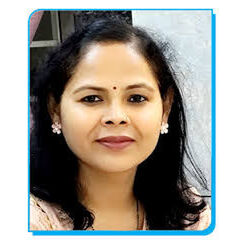
ICAR–Directorate of Weed Research (ICAR-DWR), Jabalpur, India.
Dr. Yogita Gharde is currently serving as Senior Scientist (Agricultural Statistics) at the
ICAR–Directorate of Weed Research (ICAR-DWR), Jabalpur, Madhya Pradesh, India. She
earned her M.Sc. and Ph.D. in Agricultural Statistics from the ICAR–Indian Agricultural
Statistics...
Read More →
Symbiosis Statistical Institute, Symbiosis International University
Sharvari Shukla is a Professor and Director at Symbiosis Statistical
Institute, India. Sharvari is a thought leader and well regarded
influencer working at the intersection of Medical Statistics and Data
Science. In a prior assignment she was leading clinical research and
cli...
Read More →
14:00 UTC
S212 - Career Perspectives from Industry in the U.S.
Tuesday October 6, 2026 14:00 - 15:00 UTC
Speakers 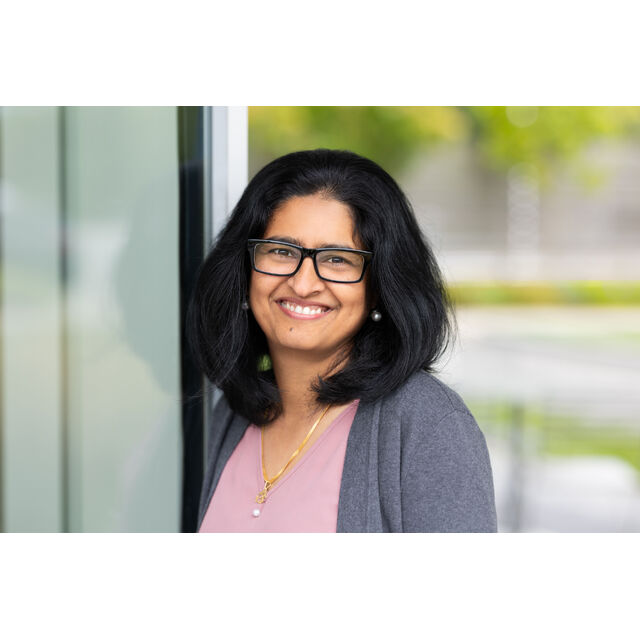
Xilio Therapeutics
Sonali Garg is an accomplished statistical programming leader with nearly 20 years of experience across the pharma, biotech, and CRO industries. She holds a graduate degree in biostatistics and an undergraduate degree in statistics.
Throughout her career, Sonali has guided numerous compounds through complex global submission, approval, and post-approval processes. She has prepared multiple successful submissions to the FDA and EMA, navigated regulatory audits, and worked directly with regulators and senior management...
Read More →
RTI International
Dr. Christian E. Douglas is a Senior Research Statistician at RTI International with more than 14 years of experience supporting clinical trials and large-scale observational studies. Her expertise includes longitudinal data analysis, adaptive trial design, power and sample size estimation...
Read More →
RSG Inc.
Ashley Asmus is a researcher, project manager, and data scientist with over nine years of experience working with complex datasets, including six years focused on travel survey data in both public and private sectors. Prior to joining RSG Inc., she served as lead researcher and deputy...
Read More →
Statistician, RTI International
Sophie Salem is an early career statistician at RTI International. She provides statistical support on various large-scale federally funded surveys, including the National Health and Nutrition Examination Survey and the National Dementia Workforce Study. She has undergraduate research...
Read More →
Past Past President, CWS; RTI
I'm the Past Past President of CWS and also a survey statistician and center director at RTI International. I helped start a CWS mentoring initiative called Flash Mentoring and I support our emergent needs mentoring. Both require CWS membership, which is free to students. Please consider...
Read More →
15:00 UTC
S213 - Causal Outside the Classroom: How is causal inference used in day-to-day working environments?
Tuesday October 6, 2026 15:00 - 16:00 UTC
Speakers 
Associate Professor, Wake Forest University
Lucy D’Agostino McGowan is an associate professor in the Department of Statistical Sciences at Wake Forest University. She received her PhD in Biostatistics from Vanderbilt University and completed her postdoctoral training at Johns Hopkins University Bloomberg School of Public...
Read More →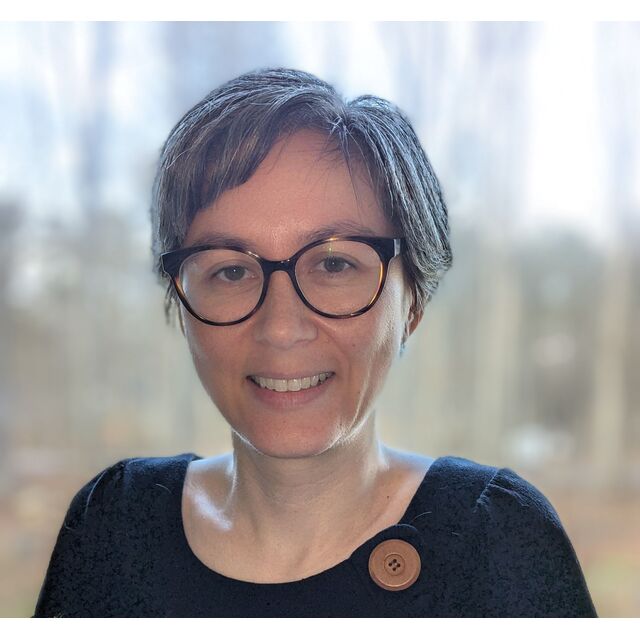
Michigan State University
Candice Johnson is Assistant Professor in the Department of Epidemiology and Biostatistics at Michigan State University. She studies how work-related exposures and policies affect the health of workers and their families, with a focus on women and pregnant women in the workforce...
Read More →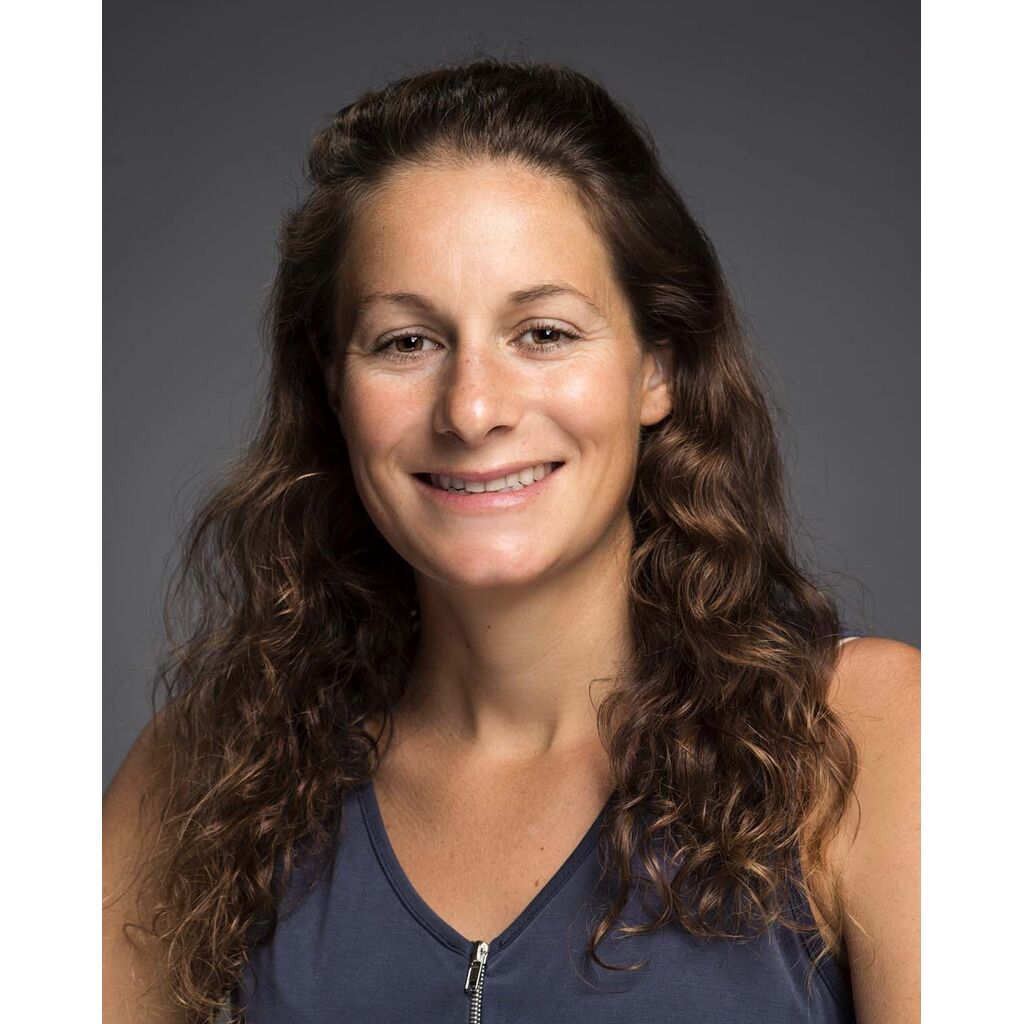
RAND
Maria DeYoreo is a senior statistician at RAND. Her substantive interests include health care quality and performance measurement, Medicare Advantage, hospice care, and maternal/child health. Her methodological interests include causal inference and quasi-experimental methods, Bayesian...
Read More →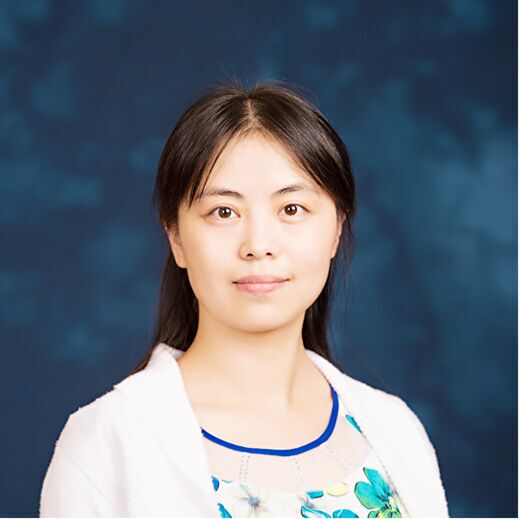
University of Michigan
Dr. Lu Wang received her PhD in Biostatistics from Harvard University in 2008 and joined the faculty at the University of Michigan in the same year. Her research focuses on statistical methods for evaluating dynamic treatment regimes, personalized health care, nonparametric and semiparametric...
Read More →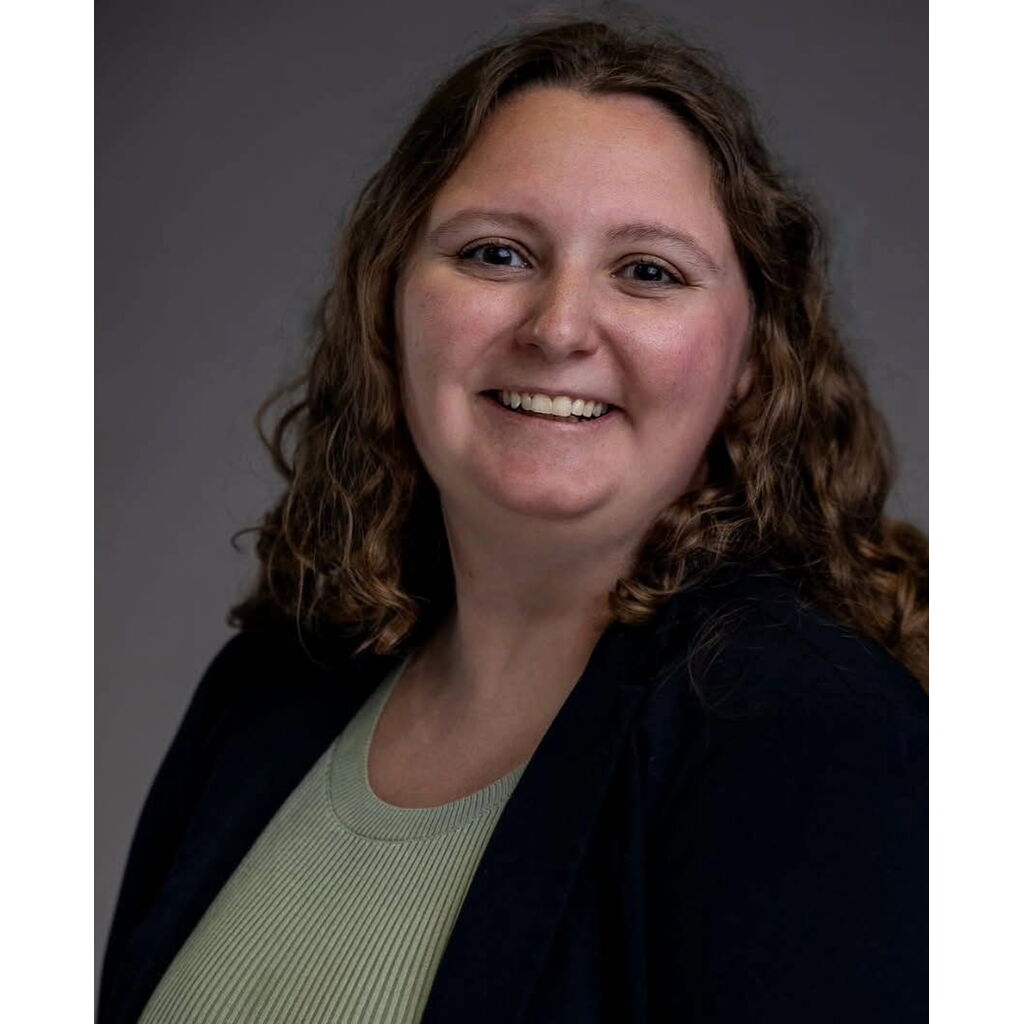
Vanderbilt University
Ashley Mullan is a PhD student and research assistant in the Department of Biostatistics at Vanderbilt University. She earned her MS in Statistics from Wake Forest University. Her research interests include both methods development for measurement error and missing data and their...
Read More →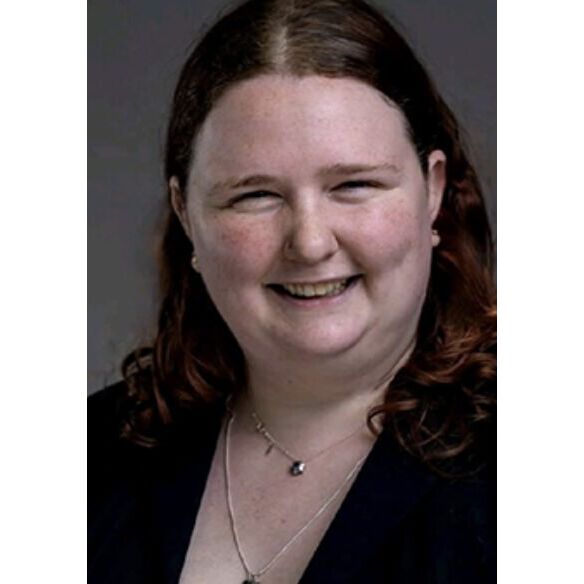
Henry Ford Health
Dr. Jamie Joseph is a faculty biostatistician in the Department of Public Health Sciences at Henry Ford Health with a joint appointment as an Assistant Professor of Research at Michigan State University. She earned her PhD in Biostatistics from Vanderbilt University in 2024. Currently...
Read More →
17:00 UTC
S214 - Beyond Automation: Using Generative AI to Elevate Critical Thinking, Personalization, Engagement, and Analytics Instruction
Tuesday October 6, 2026 17:00 - 18:00 UTC
Speakers 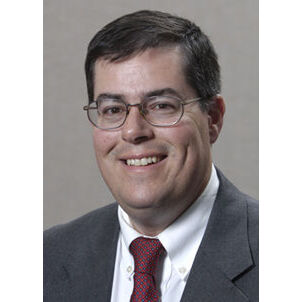
Assoc. Prof. of Practice, Babson College
Mr. Recck has taught at Babson College since 1984. Prior to that, Mr. Recck worked his way toward his undergraduate and MBA degrees from Babson while working in Babson's Computer Center. After receiving his MBA from Babson in 1984, Mr. Recck was promoted to Director of Academic Computer...
Read More →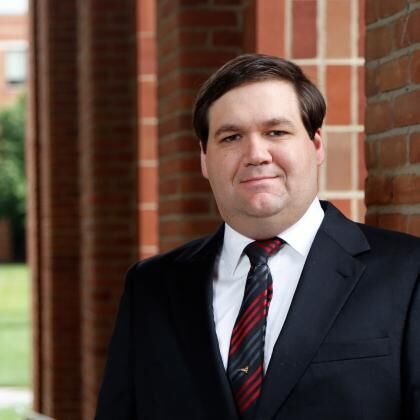
The Ohio State University
John Draper is an Associate Professor of Clinical Operations and Business Analytics in the Fisher College of Business at The Ohio State University. He has a PhD and MS in statistics from Ohio State as well as BS degrees in mathematics and statistics from Florida State University...
Read More →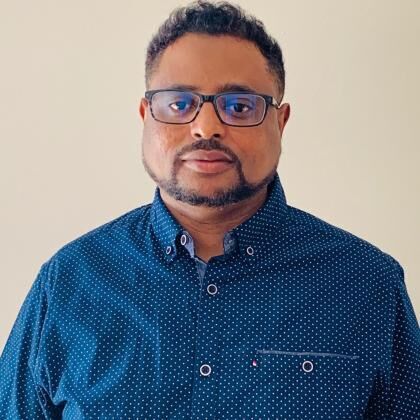
The Ohio State University
Ismael Talke is a Senior Lecturer in the Management Science Department. He joined Fisher in 2019 after serving as a visiting faculty at Miami University Ohio, department of Information Systems and Analytics, where he taught undergraduate Business Analytics, Statistics, and Business...
Read More →
Senior Lecturer, University of Dayton
Cheryl Edelmann is a professor of Business Analytics in the Department of MIS, OSC, and Business Analytics at the University of Dayton. Cheryl educates future business professionals in the area of statistics, helping them develop the skills needed to succeed in today’s data-driven...
Read More →
Caucus for Women in Statistics and Data Science
Dr. Jessica K. Kohlschmidt is a distinguished biostatistician, educator, and leader in the statistical community. A first-generation college student, her early passion for math and teaching evolved into a dedicated career in statistics after discovering its real-world applications...
Read More →
Caucus for Women in Statistics and Data Science
Dr. Jessica K. Kohlschmidt is a distinguished biostatistician, educator, and leader in the statistical community. A first-generation college student, her early passion for math and teaching evolved into a dedicated career in statistics after discovering its real-world applications...
Read More →
20:00 UTC
S215 - Frontiers in Statistical Modeling: High-Impact Doctoral Research from Argentina (Fronteras en la Modelización Estadística: Investigaciones Doctorales de Alto Impacto desde Argentina )
Tuesday October 6, 2026 20:00 - 21:00 UTC
Speakers 
National University of Comahue (Universidad Nacional del Comahue), Argentina
She holds a Bachelor's degree in Statistics, a Specialization in Epidemiology, and is a PhD in Statistics. She works as a Professor and researcher in the Department of Statistics at the Faculty of Economics and Administration of the Universidad Nacional del Comahue, where she also...
Read More →
Facultad de ciencias económicas y estadística, Facultad de Cs. Económicas y Estadística, Universidad Nacional de Rosario
She holds a Bachelor's degree in Statistics, a Specialization in Bioinformatics, and a PhD in Statistics. She serves as a Professor at the Faculty of Economic Sciences and Statistics of the Universidad Nacional de Rosario and as a senior advanced data scientist at NaranjaX. Currently...
Read More →
Universidad Nacional del Litoral (UNL) - CONICET
She holds a degree in Mathematics from the Universidad Nacional del Litoral, and a Master's and a PhD in Statistics from the Universidad Nacional de Rosario. She currently holds a postdoctoral fellowship from CONICET and serves as Head Teaching Assistant at the Faculty of Chemical...
Read More →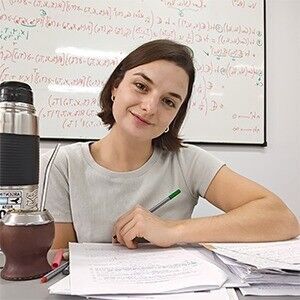
Facultad de Ingeniería Química, Universidad Nacional del Litoral
She holds a PhD in Statistics from the Universidad Nacional de Rosario and a Bachelor's degree in Applied Mathematics from the Universidad Nacional del Litoral. She is currently a postdoctoral fellow at CONICET; she serves as a Professor at the Faculty of Chemical Engineering and...
Read More →
21:00 UTC
S216 - Statistical Methods and Applications 2
Tuesday October 6, 2026 21:00 - 22:00 UTC
Speakers 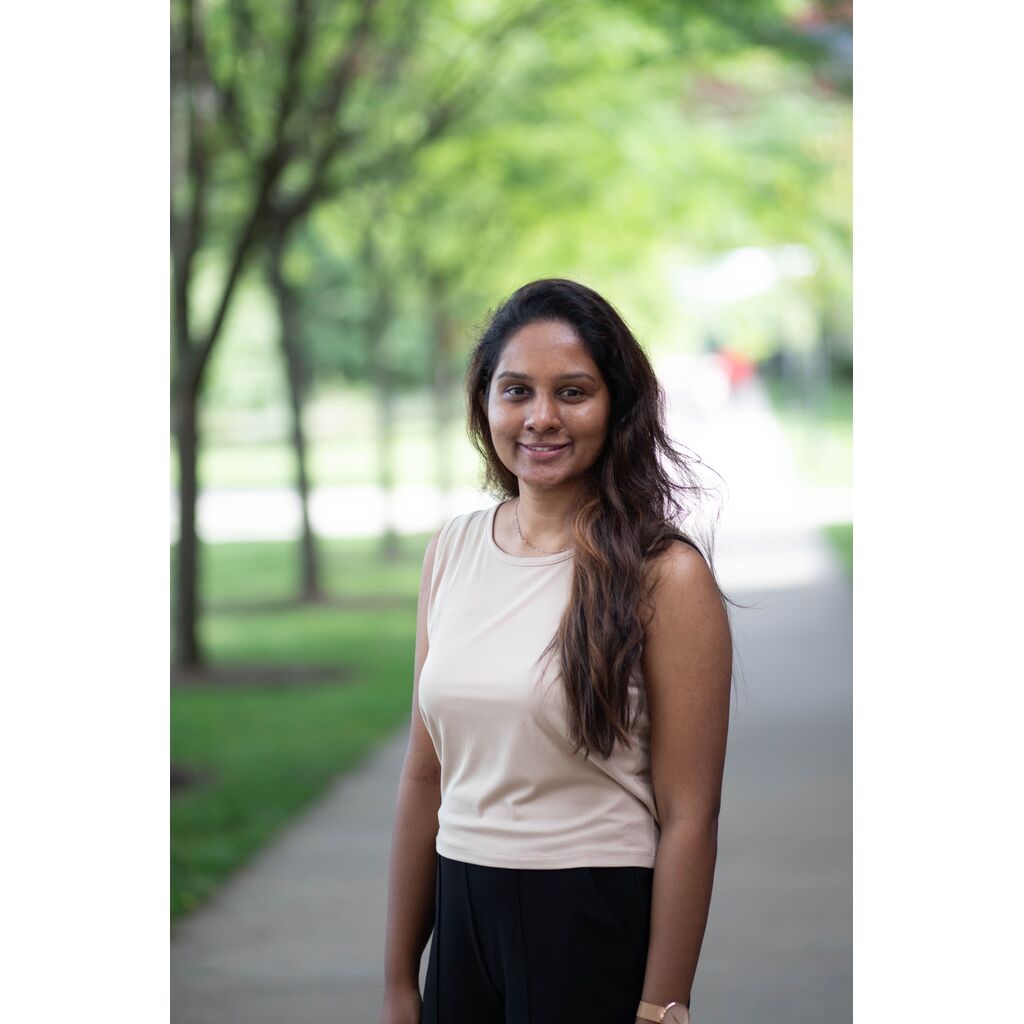
Penn State
Manushi Siriwardana is a Ph.D. student in Statistics at Penn State. She will be entering her fourth year of the Ph.D. program in Fall 2024. Her research focuses on spatial statistics, public health, and computational statistics. She is interested in developing statistical methodology...
Read More →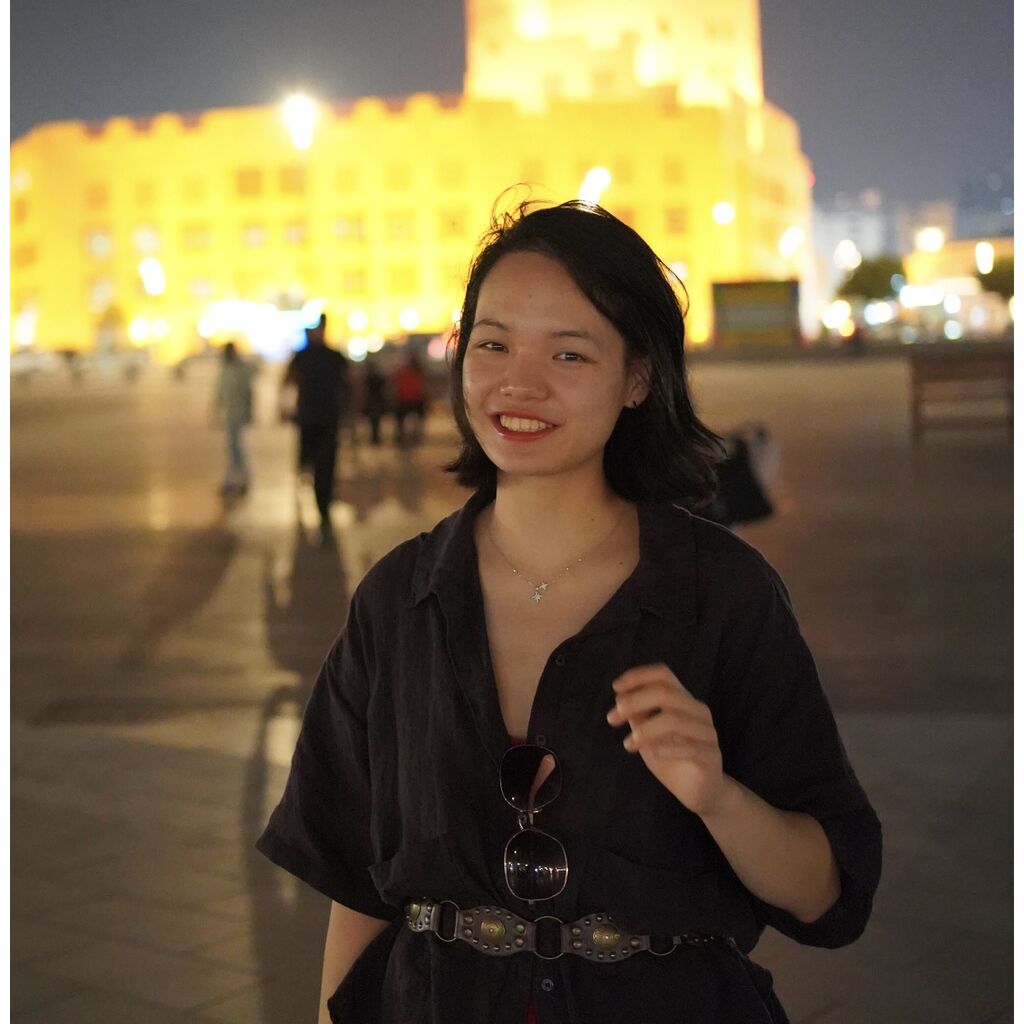
Swarthmore College
Hanqi Shi is an undergraduate student at Swarthmore College majoring in Statistics and Computer Science. Her research interests include statistical modeling, machine learning, and interdisciplinary applications.
University of Pennsylvania
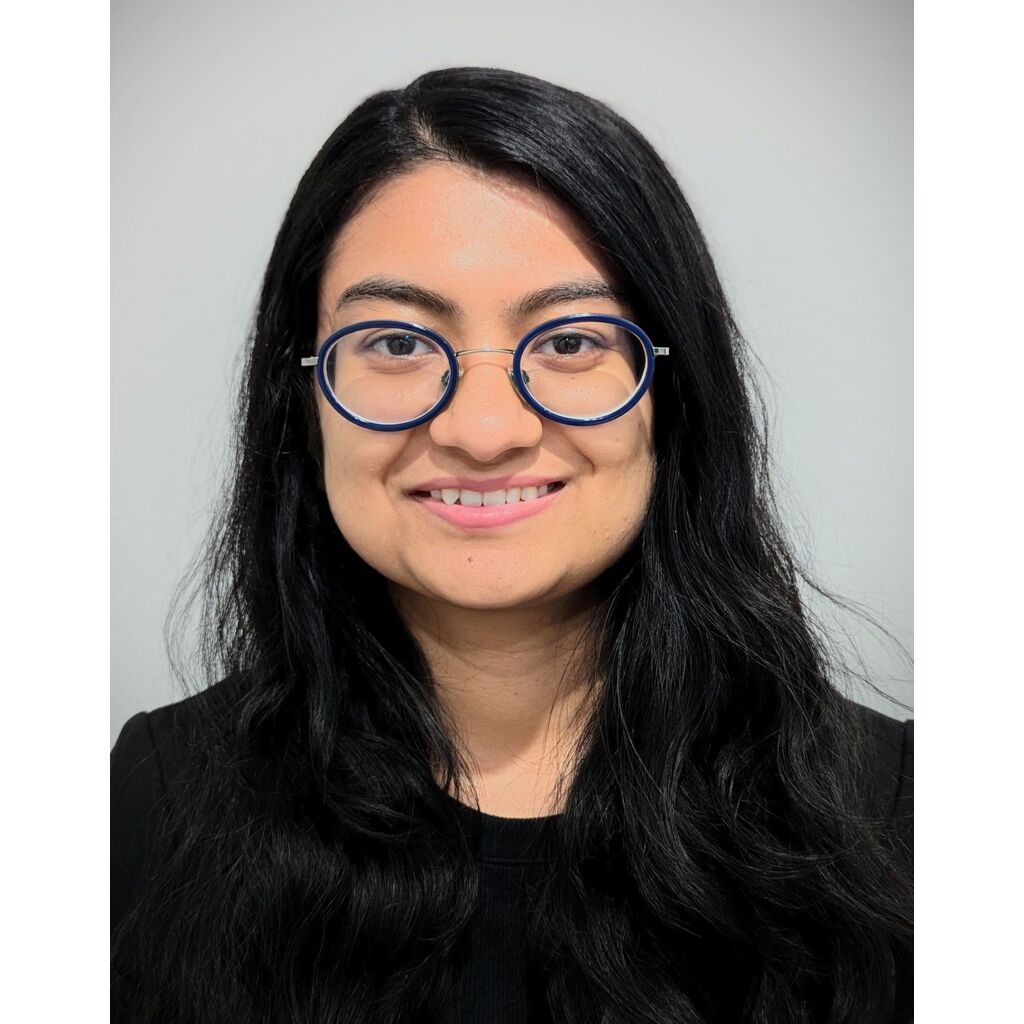
Angira Mondal is a Senior Statistical Analyst at the Perelman School of Medicine, University of Pennsylvania, where she works in the Policy and Economics of Disability, Aging, and Long Term Care (PEDAL) Lab. Her research focuses on complex healthcare data, including claims analysis...
Read More →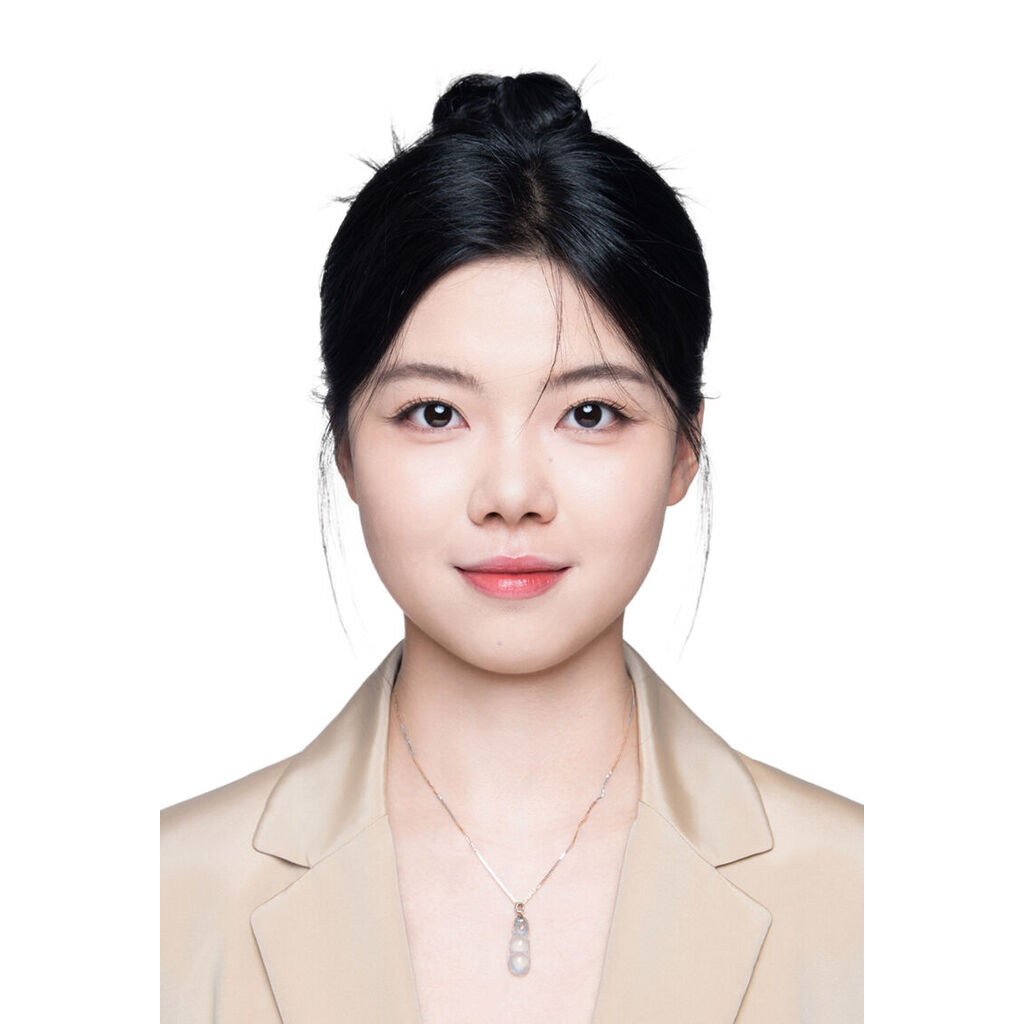
Duke University; Dartmouth College
Nannan Bo recently completed her Master of Biostatistics at Duke University and will begin her PhD training in the Quantitative Biomedical Sciences program at Dartmouth College in Fall 2026. Her research interests span clinical trial design, Bayesian methods, measurement error, wearable...
Read More →
22:00 UTC
S217 - Experiences of Early Career Biostatisticians in Clinical Trial and Data Coordinating Centers
Tuesday October 6, 2026 22:00 - 23:00 UTC
Speakers 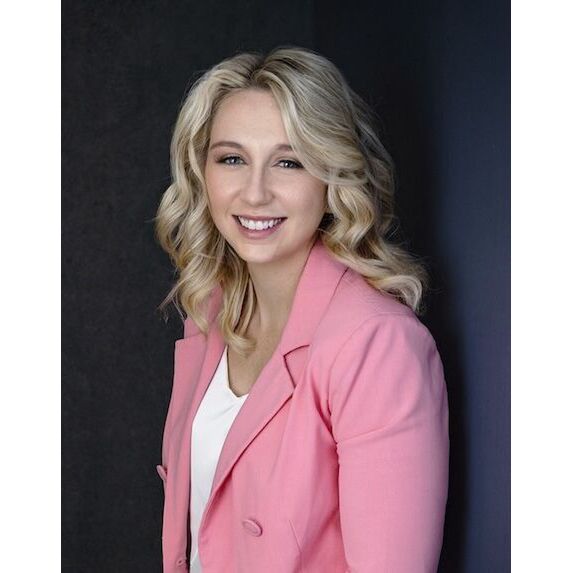
University of Iowa
Dr. Emily Roberts is an assistant professor of biostatistics at the University of Iowa. She completed her PhD in Biostatistics at the University of Michigan in 2022, where her dissertation focused on Causal Inference Methods and Intermediate Endpoints in Randomized Clinical Trials...
Read More →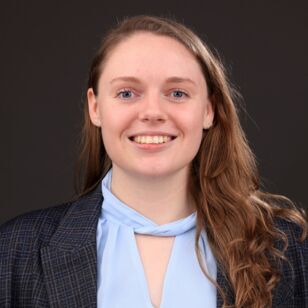
Assistant Professor, Department of Biostatistics, University of Alabama at Birmingham
Dr. Megan McCabe is an Assistant Professor in the Department of Biostatistics at the University of Alabama at Birmingham (UAB), and the Assistant Director for Clinical Trials Development for the DATA coordinating and Collaborative Research Unit (DATA CRU). She graduated with her PhD...
Read More →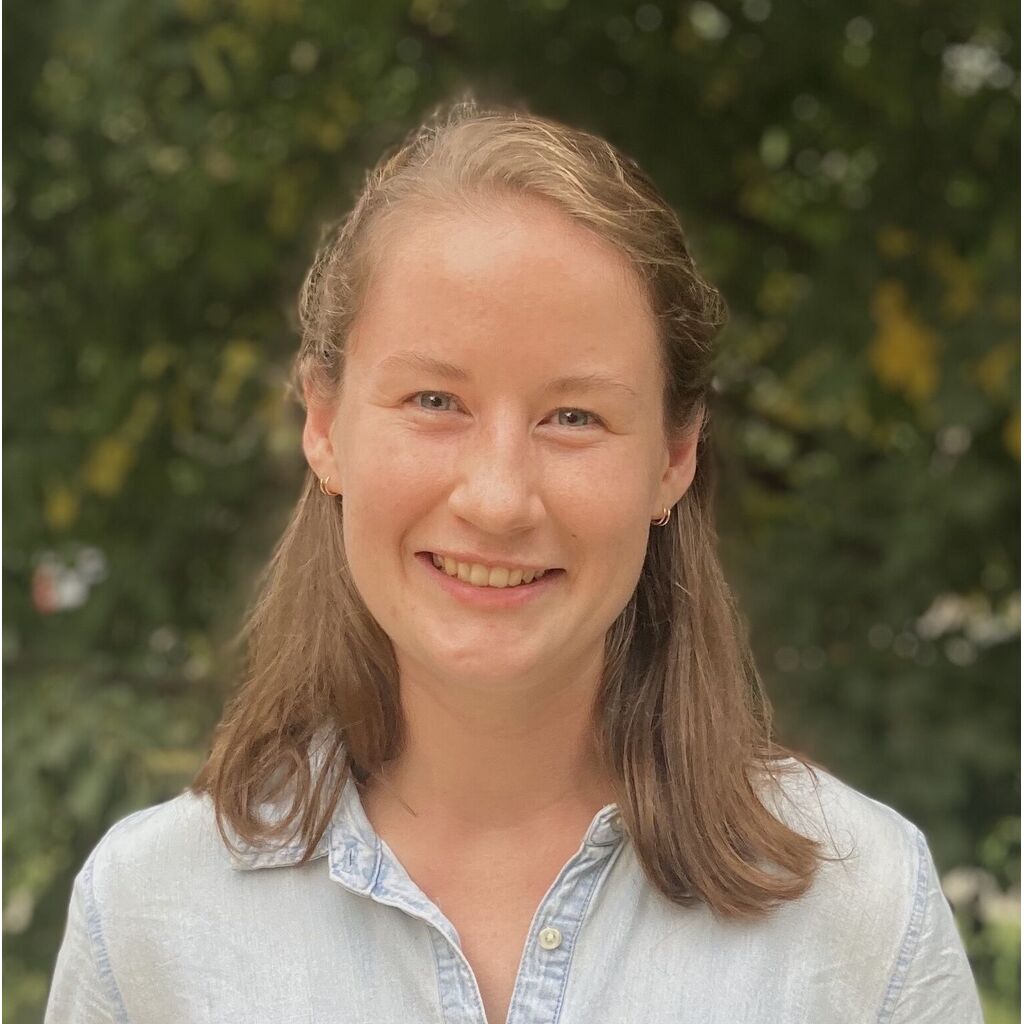
Harvard University
I am a Research Associate in the Center for Biostatistics in AIDS Research (CBAR) at Harvard University. I work on clinical trials for the treatment and prevention of HIV and tuberculosis, collaborating closely with clinicians in the International Maternal Pediatric Adolescent AIDS...
Read More →
Northwestern University
Dr. Margaret Banker is an Assistant Professor of Biostatistics and Informatics in the Department of Preventive Medicine at Northwestern University Feinberg School of Medicine. As a member of the Northwestern University Data Analysis & Coordinating Center (NUDACC), she collaborates...
Read More →
University of Iowa
Dr. Emily Roberts is an assistant professor of biostatistics at the University of Iowa. She completed her PhD in Biostatistics at the University of Michigan in 2022, where her dissertation focused on Causal Inference Methods and Intermediate Endpoints in Randomized Clinical Trials...
Read More →
University of Iowa
Dr. Emily Roberts is an assistant professor of biostatistics at the University of Iowa. She completed her PhD in Biostatistics at the University of Michigan in 2022, where her dissertation focused on Causal Inference Methods and Intermediate Endpoints in Randomized Clinical Trials...
Read More →